
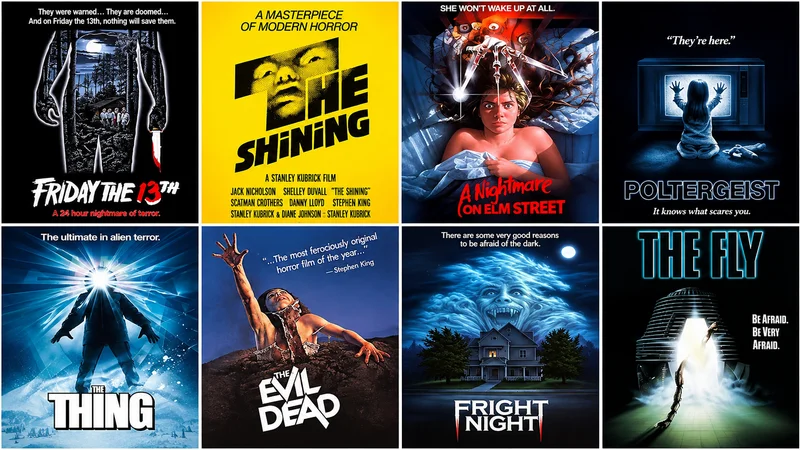
The best 80s horror movies helped turn nightmares into an entire pop-culture language. Masked killers invaded summer camps, practical-effects artists reshaped human bodies into impossible creatures, and supernatural stories made ordinary homes feel unsafe. This Top 35 covers films released or first publicly screened between 1980 and 1989, from The Shining and The Thing to overlooked international discoveries that remain unsettling today.
For readers exploring genre recommendations through NetShort, the decade offers considerably more than famous franchise villains. Its most interesting films combine distinctive moods with inventive craftsmanship, whether that means a ghost story built around grief, an eccentric vampire comedy, or a surreal experiment in technology and flesh. Many of these choices contain graphic violence, sexual themes, or intense psychological distress.
This guide to the best 80s horror movies groups 35 titles by what makes them memorable rather than pretending there is an objective scale of terror. Every entry offers quick viewing cues followed by its premise and a specific reason to watch. Major ending revelations are avoided. Content sensitivity, preferred pace, and a film’s particular version all matter when selecting a frightening movie night.
Why Does 1980s Horror Still Stand Out?
- Subgenres: Summer-camp slashers, dream killers, haunted houses, vampires, zombie outbreaks, and cosmic creatures.
- Craft: Prosthetic makeup, animatronics, optical tricks, elaborate miniatures, and imaginative physical effects.
- Mood: From slow-building dread and psychological instability to outrageous splatter comedy.
- Themes: Adolescent vulnerability, consumer culture, distrust, changing technology, and fears about the body.
- Audience: Both newcomers seeking an influential classic and experienced fans exploring strange cult cinema.
The best 80s horror movies endure because their imagery and characters serve distinct stories, not merely because their effects were created before modern computer graphics. Some are grounded mysteries; others are flamboyantly artificial. This list prioritizes an identifiable horror premise, historical significance, memorable execution, and variety. The numbers provide navigation rather than a formal ranking of critical scores or body counts.
Slashers and Killers That Defined the Decade
For fans exploring the best 80s horror movies, slashers turned vulnerable groups and recognizable settings into sources of anxiety. These seven films demonstrate how the same broad idea could become a camp mystery, a surreal dream, or a toy-store nightmare.
1. Friday the 13th (1980)
- Subgenre: Summer-camp slasher
- Tone: Suspicious, isolated, and violent
- Watch for: The mystery behind the attacks at Camp Crystal Lake
Sean S. Cunningham follows counselors trying to reopen Camp Crystal Lake despite ominous warnings about the property’s history. As the young staff prepare the cabins, an unseen attacker begins targeting them. The wooded setting and lack of trustworthy information turn routine camp duties into moments of vulnerability. The film established a franchise, although its original mystery should not be confused with the assumptions created by later sequels.
Its influence came from an isolated location, a varied group, and a killer whose identity is withheld. The characters may feel broad to contemporary viewers, but the structure explains much of the slasher boom that followed. Choose it for historical context and campfire suspense rather than complex psychology.
2. A Nightmare on Elm Street (1984)
- Subgenre: Supernatural slasher
- Tone: Dreamlike, threatening, and inventive
- Watch for: The boundary between sleep and waking
Wes Craven introduces teenagers who realize that the same disfigured attacker is pursuing them in their dreams. Nancy Thompson tries to understand how the threat connects to her neighborhood’s history while exhaustion steadily undermines her safety. Robert Englund’s Freddy Krueger turns the most ordinary human necessity, sleep, into a frightening weakness that no locked door can solve.
The film feels distinctive because dreams let Craven bend the rules of space, time, and bodily safety. Its inventive scares are connected to Nancy’s resourcefulness rather than functioning as isolated effects demonstrations. It remains an excellent introduction to creative supernatural slashers.
3. Halloween II (1981)
- Subgenre: Hospital-set slasher sequel
- Tone: Ominous, nocturnal, and relentless
- Watch for: How the setting reshapes an established killer
Rick Rosenthal continues the story directly after the events of John Carpenter’s 1978 Halloween. Laurie Strode is taken to a hospital as Michael Myers continues his pursuit through dark corridors and nearly empty treatment rooms. The new location reduces the opportunities for escape and gives the sequel a more enclosed rhythm than the suburban streets of the original.
The hospital turns a place of protection into another trap. The film is bloodier and less restrained than its predecessor, which makes the contrast worth examining. Watch the original Halloween first, because the emotional situation and several relationships are established there.
4. The Burning (1981)
- Subgenre: Summer-camp revenge slasher
- Tone: Rough, aggressive, and tense
- Watch for: Ensemble camp dynamics and practical effects
Tony Maylam’s film begins with a cruel prank against camp caretaker Cropsy that has disastrous consequences. Years later, young campers become targets of an attacker driven by revenge. The summer setting looks relaxed at first, but the mixture of outdoor isolation, adolescent conflicts, and mounting uncertainty soon replaces that sense of freedom with fear.
The Burning shows how later slashers competed through elaborate makeup work. Its notorious violence demands a stronger content warning, and its treatment of youthful characters can be harsh. Consider it a revealing genre artifact rather than an uncomplicated fun camp movie.
5. My Bloody Valentine (1981)
- Subgenre: Mining-town holiday slasher
- Tone: Industrial, grim, and suspenseful
- Watch for: The underground setting and local legend
In a Canadian mining community, a Valentine’s Day celebration revives fears surrounding an old disaster and a dangerous figure associated with the mines. Young workers and their friends continue planning the festivities even as disturbing warnings appear. The film makes machinery, helmets, tunnels, and tight underground passages part of its atmosphere rather than relying on anonymous woodland locations.
Its mining-town identity is the main reason to watch: the threat feels connected to a working community with shared memories. Restored cuts vary in graphic intensity. The original 1981 film should not be confused with the separate 2009 remake.
6. Sleepaway Camp (1983)
- Subgenre: Camp-set mystery slasher
- Tone: Strange, cruel, and increasingly uneasy
- Watch for: Disturbing social dynamics among campers
Robert Hiltzik centers Angela, a withdrawn girl attending summer camp with her cousin Ricky. Hostile interactions and a series of deaths make the camp increasingly threatening, while adults and other children often respond to vulnerability with striking insensitivity. The movie’s memorable reputation owes as much to its odd social world as to its murder mystery.
It is important to approach Sleepaway Camp critically: bullying, sexualized behavior, and its treatment of identity can be uncomfortable or dated. Its frequently discussed ending is best left unspoiled. View it as both a distinctive cult slasher and a product of the decade’s often troubling assumptions.
7. Child’s Play (1988)
- Subgenre: Killer-doll supernatural horror
- Tone: Uncanny, mischievous, and violent
- Watch for: The clash between childhood trust and menace
Tom Holland’s film gives young Andy a coveted Good Guy doll named Chucky. When alarming events follow, his mother Karen begins to suspect something impossible: the seemingly harmless toy may be connected to a dangerous criminal. Catherine Hicks and Alex Vincent anchor the emotional stakes, while the doll’s cheerful commercial design makes the threat particularly unsettling.
The film uses animatronic and puppet work to make an everyday object appear capable of genuine malice. The central challenge is persuading skeptical adults to trust a child. Choose it for a sharp, compact supernatural premise rather than its later franchise’s more overtly comic image.
Ghost Stories, Curses, and Supernatural Intruders
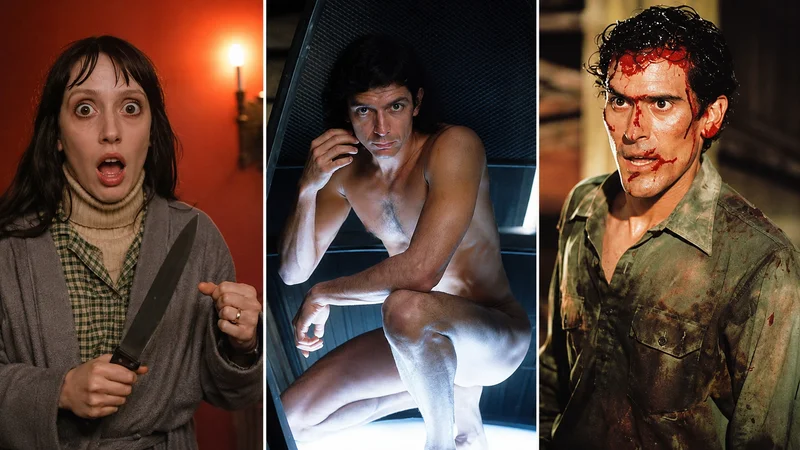
Some of the best 80s horror movies never relied on a masked attacker. These seven titles use grief, haunted locations, unsettling folklore, and seductive monsters to make emotional vulnerabilities feel dangerous.
8. The Shining (1980)
- Subgenre: Psychological and haunted-hotel horror
- Tone: Cold, isolated, and oppressive
- Watch for: Architecture, sound, and family tension
Stanley Kubrick follows Jack Torrance as he accepts a winter caretaker position at the enormous Overlook Hotel. His wife Wendy and son Danny join him, only to find that the isolation and the building’s disturbing history appear to be intensifying Jack’s volatility. Danny’s unusual perceptions further complicate the family’s attempts to understand what is happening.
The hotel’s symmetrical corridors and enormous empty rooms create dread before any direct threat appears. Kubrick’s filmmaking turns family control and psychological instability into a terrifying domestic experience. Though it differs from Stephen King’s novel, its visual language remains influential.
9. The Changeling (1980)
- Subgenre: Investigative haunted-house mystery
- Tone: Mournful, stately, and unsettling
- Watch for: A séance, old records, and a hidden history
Peter Medak follows composer John Russell, played by George C. Scott, after personal tragedy leads him to rent a secluded mansion in Seattle. Unexplained sounds and disturbances prompt him to investigate the house’s past with assistance from Claire Norman. His search gradually links the haunting to a mystery extending beyond the building itself.
The Changeling is a reminder that a quiet ghost story can be deeply frightening without constant visual spectacle. Music, empty staircases, and the act of uncovering records supply an absorbing sense of place. It rewards viewers who enjoy grief-centered mysteries.
10. The Fog (1980)
- Subgenre: Coastal supernatural revenge story
- Tone: Misty, atmospheric, and ominous
- Watch for: The town’s buried past
John Carpenter sets the story in Antonio Bay, a seaside community preparing to celebrate its anniversary. As an uncanny fog approaches from the ocean, disturbing events suggest that the town’s history contains a violent secret. Local radio host Stevie Wayne becomes an important voice as the threat spreads across streets and waterfront buildings.
The Fog relies on mood rather than rapid violence. Carpenter’s music and the coastal setting make darkness and poor visibility feel threatening, while the mystery gives the supernatural intruders a motive. It offers an atmospheric ghost story shaped by guilt.
11. Poltergeist (1982)
- Subgenre: Suburban family haunting
- Tone: Wonder-filled, frightening, and spectacular
- Watch for: An ordinary home turning hostile
Directed by Tobe Hooper, Poltergeist follows the Freeling family as strange events begin inside their new suburban home. The disturbances grow more dangerous when young Carol Anne becomes central to the haunting. Her parents seek help while the family’s comfortable surroundings transform into a place where familiar objects no longer behave safely.
The film’s important innovation is making contemporary suburban security feel fragile. Its blend of visual effects and family affection encourages viewers to care about the outcome instead of simply admiring the supernatural spectacle. Some scenes may frighten children.
12. Hellraiser (1987)
- Subgenre: Gothic supernatural body horror
- Tone: Ritualistic, sensual, and grotesque
- Watch for: The puzzle box and Cenobite mythology
Clive Barker adapts his own fiction into a story centered on a mysterious puzzle box associated with beings that blur the boundaries between pleasure and pain. A family’s secrets and destructive desires become entangled with a disturbing attempt at bodily restoration. Kirsty, played by Ashley Laurence, becomes caught in the consequences of choices made by people around her.
Hellraiser’s reputation is not just about its Cenobites or practical makeup. The film’s adult relationships and moral unease make the supernatural rules feel like an extension of human obsession. Its graphic and sexual material is for mature audiences.
13. Fright Night (1985)
- Subgenre: Vampire horror comedy
- Tone: Witty, romantic, and occasionally terrifying
- Watch for: A horror host becoming an unlikely ally
Teenager Charley Brewster suspects that his charismatic new neighbor Jerry Dandrige is a vampire. Because no one takes his fears seriously, Charley turns to aging horror-show performer Peter Vincent for help. Tom Holland mixes suburban suspicion with affection for classic vampire mythology, giving the story two very different forms of heroism.
The film balances humor and real threat more effectively than many genre hybrids. Its appeal comes from watching a self-professed monster expert confront the possibility that his stage persona must become genuine courage. Creature effects can be surprisingly frightening, but its playful spirit makes it an inviting vampire choice for adventurous viewers.
14. The Lost Boys (1987)
- Subgenre: Teen vampire horror
- Tone: Stylish, rebellious, and energetic
- Watch for: Youth culture and seaside-nightlife atmosphere
Joel Schumacher follows brothers Michael and Sam after their family moves to a California coastal town. Michael becomes attracted to a dangerous group of local youths, while Sam befriends comic-book enthusiasts convinced that vampires are hiding in plain sight. The mix of family adjustment, teenage desire, and supernatural danger keeps the movie moving between humor and menace.
Music, fashion, and a lively seaside setting make The Lost Boys a particularly recognizable portrait of 1980s pop culture. The characters’ differing responses to danger create an enjoyable blend of horror and adolescent adventure. Choose it for stylish vampires rather than realism.
Creature Features and Body Horror Built With Practical Effects
Among the best 80s horror movies, spectacularly imaginative monsters occupy a special place. These seven films use transformations, alien organisms, and unsettling technology to make the human body feel changeable and unsafe.
15. The Thing (1982)
- Subgenre: Antarctic alien paranoia
- Tone: Suspicious, isolated, and deeply tense
- Watch for: Unpredictable practical creature transformations
John Carpenter traps an Antarctic research team with an alien organism capable of imitating living beings. When suspicion spreads, the crew can no longer trust appearances or one another. Kurt Russell leads an ensemble whose fear becomes progressively more dangerous because the threat can wear the face of someone already inside the station.
Rob Bottin’s effects are extraordinary, but the movie would remain powerful without them because distrust shapes every decision. The icy location makes escape improbable, and the film’s unwillingness to provide easy reassurance gives its imagery lasting force. Start here if you want body horror supported by one of the decade’s strongest suspense concepts.
16. The Fly (1986)
- Subgenre: Tragic science-fiction body horror
- Tone: Intimate, grotesque, and heartbreaking
- Watch for: A scientific breakthrough becoming a personal disaster
David Cronenberg follows ambitious scientist Seth Brundle, whose teleportation experiment combines his biology with that of a fly. Initially exhilarated by apparent improvements, he gradually experiences changes he cannot control. His relationship with journalist Veronica Quaife gives the physical decline an emotional cost, with Jeff Goldblum and Geena Davis providing a compelling central pairing.
The film’s remarkable makeup work is inseparable from a story about illness, intimacy, and the terror of losing oneself. Its effects remain disturbing, yet they are never simply an excuse for spectacle. The Fly invites empathy for its changing protagonist.
17. Videodrome (1983)
- Subgenre: Media paranoia and body horror
- Tone: Hallucinatory, provocative, and disturbing
- Watch for: Television becoming part of physical reality
Cronenberg follows Max Renn, a cable television programmer seeking increasingly sensational content. After discovering a disturbing broadcast called Videodrome, he experiences changes in perception that undermine his ability to distinguish images from reality. James Woods portrays a man whose professional appetite for shocking material draws him into something he cannot control.
The film anticipates anxieties about mediated experience and the relationship between technology and identity. Its grotesque practical images turn abstract questions about spectatorship into something physical. Its sexual and violent material requires mature viewers.
18. Scanners (1981)
- Subgenre: Psychic conspiracy science-fiction horror
- Tone: Cold, mysterious, and violent
- Watch for: Mental powers as a frightening bodily threat
Another Cronenberg film, Scanners, imagines a small group of people with dangerous telepathic abilities. A man who struggles to understand his powers becomes involved in a conflict between competing forces seeking to control others like him. Michael Ironside supplies a memorable antagonist whose abilities make even a normal conversation feel potentially lethal.
The film’s famous effects demonstrate how spectacularly psychological powers could be represented before digital techniques became routine. Yet its larger interest concerns manipulation and the treatment of unusual human abilities as a resource to be exploited. Choose it when you prefer a conspiracy plot over a simple creature hunt.
19. An American Werewolf in London (1981)
- Subgenre: Werewolf horror comedy
- Tone: Witty, tragic, and physically startling
- Watch for: Rick Baker’s groundbreaking transformation makeup
John Landis follows American backpackers David and Jack after an encounter on the Yorkshire moors leaves one friend dead and the other seriously injured. Recovering in London, David begins experiencing disturbing changes and warnings that challenge his ordinary understanding of reality. Romance and friendship make the supernatural predicament emotionally awkward as well as frightening.
The legendary transformation remains a highlight of practical makeup history, but the film’s ability to move abruptly between humor and tragedy is just as distinctive. It does not behave like a straightforward monster story, and its shifting tone may surprise first-time viewers. That tension is precisely why it remains memorable.
20. The Howling (1981)
- Subgenre: Werewolf mystery and satire
- Tone: Suspicious, adult, and increasingly grotesque
- Watch for: A retreat that feels progressively unsafe
Joe Dante follows television reporter Karen White as she seeks recovery from a traumatic encounter by visiting a secluded therapeutic community. Strange behavior among the residents gradually suggests that the retreat conceals a dangerous secret. The premise links bodily horror to psychological recovery and a culture of questionable self-help authority.
Rob Bottin’s creature effects make the transformations central to the experience, while Dante’s humor adds an uneasy satirical edge. Compared with An American Werewolf in London, this film gives more attention to community secrets and social manipulation. Together, the two films reveal strikingly different werewolves.
21. The Blob (1988)
- Subgenre: Small-town creature-feature remake
- Tone: Ruthless, fast-paced, and pulpy
- Watch for: An organism that cannot be negotiated with
Chuck Russell reimagines the 1958 premise around a growing substance that consumes people in a California town. Teenagers and local authorities struggle to contain the threat, but their assumptions about its nature repeatedly prove inadequate. The creature’s shapelessness allows it to appear in places a human attacker could never reach.
The remake succeeds because its impressive physical effects are attached to a brisk and surprisingly unpredictable survival story. It also turns familiar public spaces into places of danger, making its small-town setting central to the suspense. It rewards fans of makeup effects and monster thrills.
The best 80s horror movies with memorable physical effects are not limited to the same viewing mood. For a closer comparison with later splatter and body horror, see our best gore horror movies guide. That list broadens the timeline, while The Thing, The Fly, and The Blob show how differently filmmakers used 1980s craftsmanship.
Zombies, Demons, and Horror Comedy With a Cult Following
The best 80s horror movies also made room for absurdity. These seven films mix practical gore, energetic performances, and stories that turn ordinary bad decisions into supernatural chaos.
22. The Evil Dead (1981)
- Subgenre: Cabin possession horror
- Tone: Raw, chaotic, and intense
- Watch for: Creative camera movement and handmade effects
Sam Raimi strands Ash Williams and his friends at a remote cabin, where a recording linked to an ancient book unleashes frightening forces. Ordinary spaces become physically dangerous, and the characters discover that survival is increasingly difficult when their companions cannot be trusted. Bruce Campbell’s performance anchors a production remembered for audacious camera work and extreme resourcefulness.
The Evil Dead first screened in 1981 and reached wider US theatrical distribution in 1983, explaining why different catalogs sometimes display different dates. Its low-budget urgency is a major part of its identity. The original is harsher than its comedic sequel.
23. Evil Dead II (1987)
- Subgenre: Demonic splatter comedy
- Tone: Frantic, cartoonish, and inventive
- Watch for: Bruce Campbell’s physical performance
Raimi revisits Ash’s nightmare at an isolated cabin, reshaping the situation into a manic combination of possession, slapstick, and supernatural attack. Ordinary household objects and the building itself seem determined to torment the survivor. Campbell performs with the exaggerated energy of a silent-film comedian, even as the practical effects become increasingly grotesque.
Rather than functioning as a purely straightforward sequel, the film partly reworks the earlier setup and develops a distinct comic rhythm. Its appeal comes from fearless changes in tone and the impression that almost any visual idea might suddenly appear. Choose it for wildly physical splatter comedy.
24. Re-Animator (1985)
- Subgenre: Mad-scientist horror comedy
- Tone: Wicked, grotesque, and irreverent
- Watch for: Jeffrey Combs as Herbert West
Stuart Gordon follows medical student Herbert West, whose experimental reagent appears capable of bringing dead tissue back to life. His experiments draw another student and his girlfriend into a series of increasingly disastrous confrontations. West’s conviction that he can master death becomes disturbing precisely because his confidence survives every new piece of evidence that he has lost control.
Re-Animator finds dark humor in scientific arrogance and in the gap between professional language and outrageous results. Combs makes the central character riveting even when his decisions are indefensible. Its explicit material makes it a mature cult favorite.
25. The Return of the Living Dead (1985)
- Subgenre: Zombie punk comedy horror
- Tone: Fast, noisy, and gleefully anarchic
- Watch for: A disastrous chemical accident
Dan O’Bannon begins with workers at a medical-supply warehouse who accidentally release a dangerous substance, setting off an escalating outbreak. Nearby punk youths and local authorities become involved as ordinary attempts to contain the situation fail. The film introduces zombies with a very different energy from the grim social commentary associated with George A. Romero’s series.
The soundtrack, anarchic characters, and grim jokes make this an especially lively group watch for adults. Its reanimated attackers are frightening but also the source of a deliberately absurd genre spectacle. Try it for the creature makeup and runaway chaos.
26. Day of the Dead (1985)
- Subgenre: Underground zombie survival drama
- Tone: Bitter, claustrophobic, and violent
- Watch for: Conflict between scientists and soldiers
George A. Romero places surviving researchers and military personnel inside an underground facility as the undead dominate the world above. Arguments about experimentation, leadership, and the treatment of zombies gradually overwhelm the group. The character Bub adds an unexpected dimension to questions about what the living can understand or learn from the dead.
Tom Savini’s makeup effects are a major attraction, but the film’s emotional force comes from watching people who need cooperation turn against one another. Compared with The Return of the Living Dead, Day of the Dead is much more serious and openly pessimistic. It combines zombie horror with institutional critique.
27. Night of the Creeps (1986)
- Subgenre: Alien-parasite horror comedy
- Tone: Playful, gooey, and knowingly nostalgic
- Watch for: A college outbreak involving strange creatures
Fred Dekker mixes science fiction, campus comedy, and zombie imagery after alien organisms make their way into an American college town. Two students and a grizzled detective become caught in an escalating investigation involving a threat that spreads through unsuspecting bodies. The plot gleefully borrows ideas from earlier monster movies while maintaining its own brisk pace.
The film is a charming example of filmmakers who clearly love the conventions they are mocking. Its character banter and creature effects make it better suited to an enthusiastic midnight audience than a viewer seeking severe psychological terror. Its confident silliness is a strength.
28. Gremlins (1984)
- Subgenre: Holiday creature horror comedy
- Tone: Mischievous, darkly playful, and occasionally scary
- Watch for: Small monsters disrupting an ordinary town
Joe Dante follows Billy, whose unusual new pet comes with strict care instructions. When those rules are broken, mischievous creatures spread through his town during the Christmas season. Their attacks turn family spaces, public businesses, and familiar holiday decorations into opportunities for chaos. The film mixes affection for its appealing central creature with a much nastier streak of monster comedy.
Gremlins captures the era’s fondness for effects-driven family entertainment that can become unexpectedly frightening. Some violent scenes and a sad holiday anecdote may disturb younger children despite the playful marketing. It twists Christmas imagery into mischievous horror.
International and Unconventional Horror Beyond the Mainstream
These final seven films cross borders and genre lines, from Italian giallo and surreal Gothic horror to Japanese industrial body horror. They show how broad the decade’s cinematic nightmares really were.
29. Possession (1981)
- Subgenre: Psychological relationship horror
- Tone: Feverish, surreal, and emotionally volatile
- Watch for: Isabelle Adjani and Sam Neill’s performances
Andrzej Zulawski sets a collapsing marriage against the unease of divided Berlin. Mark returns home to discover that Anna wants to leave him, but the separation soon unfolds into events that ordinary relationship language cannot explain. Sam Neill and Isabelle Adjani give extraordinarily intense performances in a story that refuses to distinguish neatly between psychological crisis and monstrous fantasy.
Possession is more difficult and confrontational than most mainstream horror films. Its imagery is both visceral and symbolic, and its characters often behave in emotionally punishing ways. Surreal-cinema fans will find a singular experience.
30. The Beyond (1981)
- Subgenre: Italian supernatural zombie nightmare
- Tone: Dreamlike, gruesome, and ominous
- Watch for: A cursed hotel and striking visual atmosphere
Lucio Fulci centers a Louisiana hotel whose history is connected to a gateway to Hell. A woman trying to restore the property encounters increasingly disturbing phenomena as the surrounding world seems to lose ordinary logic. The film places images and atmosphere above a conventional detective-style explanation, giving the story the structure of a fever dream.
The Beyond is a strong introduction to Italian horror for viewers who value mood and elaborate physical effects. Its fragmented storytelling may frustrate literal-minded viewers. The unforgettable images, Gothic settings, and music create an experience that feels more like wandering through a nightmare than following a straightforward monster hunt.
31. Tenebrae (1982)
- Subgenre: Italian giallo murder mystery
- Tone: Stylish, clinical, and brutal
- Watch for: A novelist caught in a real killing spree
Dario Argento follows American thriller writer Peter Neal during a visit to Rome, where a murderer appears to be drawing inspiration from his latest novel. The attacks make Neal part of an investigation that grows more complicated as clues and relationships emerge. The film turns a writer’s public image and fictional violence into unsettling parts of the same mystery.
Its clean, bright visual style is an interesting contrast to the shadowy atmosphere often associated with horror. Elaborate camera movement and controlled compositions make seemingly ordinary rooms feel unstable. Its graphic content showcases the Italian giallo tradition.
32. Demons (1985)
- Subgenre: Italian cinema-set demon outbreak
- Tone: Loud, chaotic, and spectacularly gory
- Watch for: The movie theater becoming a trap
Lamberto Bava traps strangers inside a mysterious cinema when an encounter with a display item triggers a demonic transformation. The threat spreads through an audience that arrived expecting an ordinary horror screening. What was supposed to be entertainment becomes the very danger the patrons cannot escape, creating a playful but disturbing movie-within-a-movie premise.
Demons is fast and gleefully excessive, with music and practical effects central to its identity. Its theater setting adds mischievous self-awareness. It contains very strong graphic material, however, and is most suitable for experienced splatter fans.
33. Near Dark (1987)
- Subgenre: Neo-Western vampire horror
- Tone: Dusty, romantic, and violent
- Watch for: An outlaw family traveling at night
Kathryn Bigelow follows Caleb, a young man drawn to a mysterious woman who introduces him to a dangerous group of nocturnal drifters. Their life on the road turns an ordinary American landscape into a world governed by hunger and strict survival rules. Adrian Pasdar and Jenny Wright anchor a romance complicated by the group’s destructive behavior.
The film blends vampire imagery with the atmosphere of a Western, replacing Gothic castles with highways, motels, and open plains. Its violent encounters are intense, but the central tension involves Caleb deciding what kind of life he can accept. Choose it for melancholy vampire storytelling.
34. The Vanishing (Spoorloos, 1988)
- Subgenre: Dutch psychological disappearance thriller
- Tone: Controlled, obsessive, and deeply disturbing
- Watch for: The emotional cost of uncertainty
George Sluizer follows Rex after his girlfriend Saskia disappears without explanation during a holiday journey in France. As years pass, the unanswered question dominates his life, while another perspective slowly changes how the audience understands the event. The film relies on ordinary people and recognizable spaces rather than a conventional supernatural threat.
It belongs at the boundary of horror and psychological thriller, where its disturbing implications can be more frightening than a visible monster. Be sure to choose the 1988 Dutch original, not the 1993 American remake directed by the same filmmaker. Avoid spoilers for the central mystery.
35. Tetsuo: The Iron Man (1989)
- Subgenre: Japanese industrial cyberpunk body horror
- Tone: Frenetic, abrasive, and experimental
- Watch for: Human flesh merging with metal
Shinya Tsukamoto imagines a salaryman undergoing a grotesque transformation in which metal begins consuming his human identity. The largely black-and-white imagery and aggressive editing produce an experience closer to an industrial nightmare than a conventional science-fiction narrative. The film’s visual design constantly attacks the idea that a body has a stable boundary.
Tetsuo is one of the decade’s boldest examples of microbudget experimentation, but its sexual imagery, violence, and oppressive soundscape make it suitable only for adventurous adult viewers. Most film references identify it with 1989, though some catalogs apply an earlier date. It shows horror becoming abstract and technologically anxious.
Which 1980s Horror Movies Should You Watch First?
For a first trip through the best 80s horror movies, The Thing is ideal if you like mysteries where every character may be dangerous. A Nightmare on Elm Street offers a more recognizable slasher with inventive supernatural rules, while Poltergeist is a useful introduction to the decade’s elaborate haunted-house spectacle. If you prefer a quieter ghost investigation, choose The Changeling or The Fog instead.
Creature-effects fans should begin with The Fly, An American Werewolf in London, and The Blob. Each uses physical transformations differently: one becomes a tragic romance, another mixes comedy with catastrophe, and the third is a brisk monster thriller. For more outrageous midnight viewing, Evil Dead II and The Return of the Living Dead provide intentionally absurd splatter alongside memorable practical craftsmanship.
Some films demand greater care. Hellraiser, Possession, Videodrome, Tenebrae, Demons, and Tetsuo contain sexual material, extreme imagery, or difficult themes. Sleepaway Camp also raises questions about dated treatment of identity. If your group includes children or viewers sensitive to body horror, check individual content classifications rather than relying on the decade’s nostalgic reputation.
International discoveries offer a rewarding next step once you know your preferred tone. The Beyond favors dream logic, Tenebrae emphasizes a constructed murder mystery, The Vanishing uses an ordinary disappearance to generate dread, and Tetsuo turns transformation into rapid visual experimentation. Each shows why the decade cannot be reduced to masked killers alone.
Frequently Asked Questions (FAQs)
What made horror films from the 1980s so influential?
The decade expanded the commercial slasher cycle while advances in makeup, animatronics, and other physical effects made creature transformations more convincing. Films such as The Thing, The Fly, and An American Werewolf in London became visual reference points. It also produced enduring villains, inventive sequels, and distinctive international horror, providing templates that later filmmakers continue to revisit.
Which 1980s horror movies are best for beginners?
The Fog and The Changeling are useful choices for viewers who prefer atmosphere to constant graphic violence. Poltergeist offers a more spectacular haunted-house experience, although some scenes may frighten children. Fright Night and The Lost Boys mix vampire danger with humor. For a more intense but accessible classic, try A Nightmare on Elm Street or The Thing.
What are the best 1980s horror films for practical effects?
The Thing, The Fly, An American Werewolf in London, and The Blob are particularly memorable for physical creature or transformation effects. Re-Animator and Evil Dead II offer a more exaggerated, comic approach, while Day of the Dead is notable for zombie makeup. The choice depends on whether you want realistic textures, inventive monsters, or deliberately outrageous gore.
Are all the movies on this list suitable for teenagers?
No. Many titles include graphic violence, sexual material, disturbing family situations, or intense psychological themes. Gremlins may seem approachable because of its playful creatures, but it contains frightening moments. Hellraiser, Possession, Demons, and Tetsuo are firmly adult-oriented experiences. Check the current classification and content advisories for the version available in your country.
Why do some 1980s horror movies have different release years?
Festival premieres, early public screenings, theatrical distribution, and later international releases can occur in separate years. The Evil Dead first screened in 1981 but reached the United States commercially in 1983. Tetsuo: The Iron Man also appears under different dates in some catalogs. This guide uses a recognized original release identity and identifies notable discrepancies rather than treating them as different movies.
Final Thoughts
The best 80s horror movies are remembered for more than rubber monsters and masked killers. They transformed suburban houses into haunted spaces, made human bodies frighteningly unstable, and found humor in supernatural disasters. The most enduring films connect those memorable images to ideas about trust, grief, ambition, desire, or the fear that ordinary life may suddenly stop making sense.
Choose The Shining for oppressive atmosphere, The Thing for paranoia, The Fly for emotional body horror, or Evil Dead II for manic splatter comedy. Then explore a less familiar title such as The Changeling, Near Dark, or Tenebrae. The decade offers enough variety to make an entire horror marathon feel like a journey through different kinds of fear.