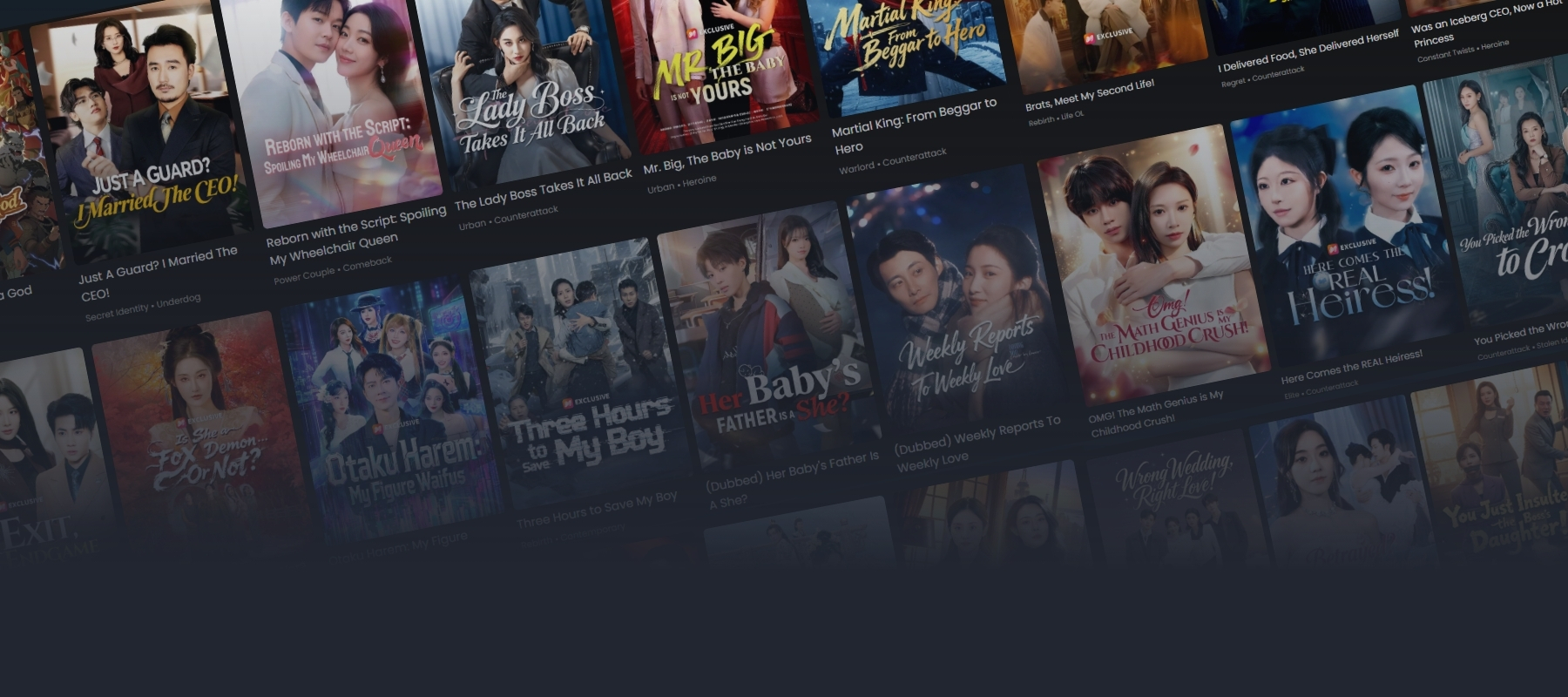

NetShort is a destination for exploring short dramas, mini series, and the people behind memorable on-screen stories. From emotional romances and unexpected family revelations to mysterious identities and imaginative adventures, short-form entertainment offers many different ways to enjoy storytelling. Here, viewers can learn about drama themes, discover performers, and find information that helps them decide which stories to explore next.
Unlike traditional television series that may spend several episodes establishing a character’s background, short dramas often introduce their central conflict quickly. A surprising marriage, a long-hidden family secret, a difficult reunion, or a sudden change in fortune can set an entire story in motion. These compact narratives appeal to audiences who appreciate strong emotions, developing relationships, and turning points that arrive without an extended introduction.
Whether you are looking for a romantic mini drama, curious about a particular cast member, or interested in understanding the appeal of a fictional storyline, NetShort brings these interests together through entertainment-focused content. Explore the themes below, consider the kinds of characters you enjoy, and discover more about the stories and performers that catch your attention.
Discover Short Dramas and Mini Series
Short dramas tell fictional stories through a compact, often serialized format. Instead of relying on long episodes, they tend to focus on significant moments that move characters and relationships forward. The result can be a fast-moving experience that combines familiar storytelling ideas with surprising developments.
Some stories center on a relationship that begins under unusual circumstances, while others follow a character confronting betrayal, rebuilding a family connection, or discovering an unexpected truth. A single premise can lead to romance, suspense, comedy, or fantasy, depending on the personalities involved and the choices they make.
For viewers discovering this format, the most useful starting point is usually the story itself. Consider what motivates the main character, what stands in the way of their goals, and whether the conflict creates enough curiosity to keep following the series. An interesting opening can attract attention, but meaningful character development often determines whether a drama remains memorable.
Explore Different Short Drama Genres
Short-form storytelling is not limited to one particular genre. Romantic relationships, personal rivalries, mysterious events, and extraordinary situations can all provide the foundation for a mini series. Each type of story creates a different viewing experience, making it easier to choose something that suits your interests.
Romance and Complicated Relationships
Romantic short dramas frequently explore relationships shaped by misunderstandings, family expectations, past experiences, or differences in social status. Two characters may find themselves connected through an unexpected arrangement, reunite after years apart, or struggle to acknowledge feelings that have become difficult to ignore.
The emotional appeal comes from more than whether two people eventually fall in love. Their decisions, personal growth, and willingness to confront difficult circumstances can give a familiar romantic premise a distinctive identity. Viewers who enjoy changing relationships and emotionally charged conversations may find these stories especially interesting.
Revenge, Betrayal and Second Chances
Revenge dramas often begin when a character experiences betrayal, injustice, or a devastating change in personal circumstances. Rather than accepting what happened, the protagonist decides to uncover the truth, regain control, or prove that others underestimated them.
These narratives can also explore the consequences of pursuing revenge. Some characters become more determined as obstacles appear, while others begin to question whether their original goals are worth the personal cost. Stories about second chances take a related approach, focusing on recovery, reconciliation, and the possibility of rebuilding a life after disappointment.
Family Secrets and Hidden Identities
A concealed identity can transform an ordinary situation into a compelling mystery. A character might discover an unexpected family connection, learn that someone close to them has kept an important secret, or realize that a familiar relationship is based on incomplete information.
Family-centered dramas often use these revelations to examine loyalty, trust, inheritance, and difficult personal choices. Their suspense comes from discovering who knows the truth, why certain details were hidden, and how the relationships will change once the secret becomes impossible to protect.
Fantasy and Supernatural Stories
Fantasy short dramas introduce events beyond ordinary experience. Depending on the story, characters may encounter supernatural abilities, extraordinary creatures, unusual transformations, or circumstances that challenge their understanding of reality.
These elements can support adventure, mystery, romance, or stories about personal identity. A supernatural conflict becomes especially engaging when the imagined world has clear consequences for its characters and when their choices remain understandable despite the extraordinary setting.
Mystery, Suspense and Unexpected Twists
Mystery-driven dramas invite viewers to question what they know about the characters and their situations. A suspicious encounter, unexplained disappearance, misleading first impression, or unexpected discovery can create uncertainty from the opening scenes.
The strongest twists do more than provide a moment of surprise. They change the meaning of earlier events, reveal hidden motivations, or introduce consequences that affect the rest of the story. For audiences who enjoy following clues and reconsidering first impressions, suspense can be a major part of the appeal.
Discover the Actors Behind Short Drama Characters
An interesting story can introduce audiences to performers they have never seen before. Short dramas often rely on expressive acting, clear character relationships, and emotionally important scenes to establish a connection within a limited amount of screen time. A convincing performance can make a character memorable even when the storyline moves quickly.
Learning about the cast can add another dimension to the viewing experience. Actor profiles may help readers identify a performer, explore publicly documented career information, or understand the roles that have attracted attention. They can also distinguish confirmed professional details from rumors and unsupported personal claims.
When researching actors, it is worth remembering that not every biographical detail is publicly verified. Film credits, professional interviews, and reliable production information are generally more useful than assumptions about someone’s private life. Understanding the difference can make entertainment coverage more informative and trustworthy.
How to Choose a Short Drama That Matches Your Interests
With so many possible storylines, choosing a mini drama is often a matter of identifying the elements you enjoy most. A familiar genre can be a helpful guide, but the premise, emotional tone, and characters may be just as important. Two romantic dramas, for example, can create very different experiences depending on how their relationships develop.
Before deciding what to watch, consider the following:
- Story premise: Look for a central situation that raises an interesting question or introduces a meaningful conflict.
- Genre and mood: Choose between romance, fantasy, suspense, family drama, or other themes according to the experience you want.
- Main characters: Consider whether their personalities, motivations, and relationships make you curious about what happens next.
- Story development: Look beyond the first surprising moment and consider whether the conflict has room to develop.
- Cast information: Explore performer profiles or available production details when you recognize an actor or want to learn more about a role.
- Viewing availability: Check the relevant title page for actual playback options, episode information, and any viewing requirements before assuming a complete series is available.
There is no single formula for choosing an enjoyable drama. Some viewers prefer stories with immediate emotional intensity, while others value gradual changes in character relationships or mysteries that reveal information over time. Exploring different approaches can introduce you to narratives outside your usual preferences.
What Makes Short-Form Storytelling Different?
The most noticeable difference between a short drama and a conventional television series is often the pace. Short-form narratives have less time to establish their settings, introduce major characters, and develop conflicts. As a result, important events may happen early, and individual episodes may concentrate on a specific decision, discovery, or confrontation.
This structure can make serialized stories easy to approach, but it also creates challenges for the people making them. Dialogue, performance, editing, and scene transitions must communicate information efficiently without making characters feel disconnected from their experiences.
Strong short-form storytelling balances speed with emotional clarity. An unexpected twist becomes more satisfying when viewers understand why it matters. A reunion carries more weight when the relationship has a convincing history. A character’s victory feels more rewarding when the difficulties leading up to it are established through meaningful events.
These principles apply across genres, whether the story follows an unlikely couple, a family divided by secrets, or a protagonist facing an extraordinary challenge.
Explore More Drama Stories and Entertainment Articles
Sometimes a story raises questions beyond its central plot. Viewers may want to identify an actor, learn how a particular character relates to others, or understand why certain storytelling themes appear frequently in short dramas. Entertainment articles can provide context that is difficult to gather from brief scenes alone.
Through its entertainment blog and performer-related content, NetShort offers another way to explore subjects connected to short-form drama. Readers can use these sections to find information about actors, fictional narratives, and the wider entertainment topics discussed on the website.
Reading about a production and watching it are different activities. Cast profiles and story discussions can provide useful background, while the availability of playable episodes must be checked separately on the relevant viewing pages. Keeping these distinctions clear helps viewers know what to expect when they open a particular piece of content.
Frequently Asked Questions About NetShort
What kinds of short dramas can I explore?
Short dramas cover many storytelling styles, including romance, revenge, family relationships, fantasy, mystery, and personal transformation. The themes discussed on NetShort introduce common story structures and character conflicts that can help readers identify the kinds of series they find interesting. Specific titles and viewing options depend on the content available on individual pages.
How are mini dramas different from regular television series?
Mini dramas generally tell their stories through shorter episodes and a more concentrated narrative structure. They often introduce a central conflict quickly and focus on significant developments rather than lengthy introductions. Episode length, storytelling style, and the number of installments can vary between productions.
Where can I learn more about short drama actors?
Readers interested in performers can visit the actors section to explore available biographies, career discussions, and cast-related information. These articles can help identify performers and provide context about their professional work, although some personal or production details may not be publicly confirmed.
Does every drama mentioned on the website have episodes available to watch?
A drama being mentioned in an article does not necessarily mean that its episodes are available for playback on the same page. Story discussions, cast profiles, and viewing pages serve different purposes. Check the individual title page for available episodes, playback controls, and any access conditions before choosing what to watch.
Find Your Next Story to Explore
Whether you enjoy emotional romances, surprising family revelations, imaginative fantasy worlds, or characters determined to change their circumstances, short dramas offer a broad range of storytelling possibilities. A compelling premise may introduce a series, but the personalities, decisions, and relationships behind it are what can make the experience memorable.
Explore NetShort to learn more about short-form drama themes, discover the performers behind familiar characters, and follow the entertainment subjects that interest you. Start with a genre you already enjoy, discover something different, or explore a cast profile that helps you connect a memorable performance with the person behind it.
Home Blog Privacy Policy Editorial Responsibility Terms of Use About Us Contact Us
NetShort | All Rights Reserved | 2026 NETSTORY PTE. LTD.