
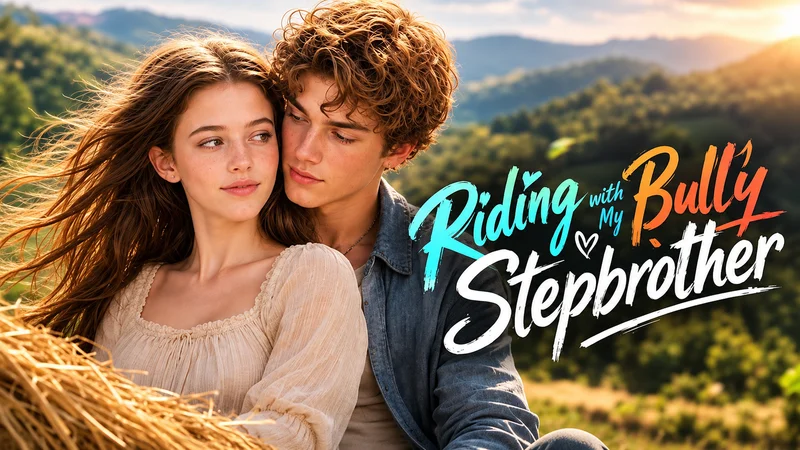
Riding with My Bully Stepbrother review starts with an unusually uncomfortable romance setup: Hayley must spend a family vacation with Cole, the stepbrother who has bullied her, after her mother remarries. Their shared time creates an attraction neither expected, while unresolved hurt and family secrets threaten any possibility of trust. The premise promises emotional friction, but it also raises an important question: can a romance overcome a history of mistreatment without minimizing it?
For readers discovering short dramas through NetShort, this Vigloo series fits the familiar enemies-to-lovers format while making the family connection central to the conflict. Its promotional description also highlights a shared horseback-riding moment, giving the story a physical image for the closeness that makes both characters uncomfortable.
This Riding with My Bully Stepbrother review examines the verified premise, the two central characters, the appeal and risks of its romance, and who may enjoy the series. It is an assessment of publicly available story information, not a claim to have watched all 40 episodes. Specific performances, later twists, and the ending are therefore not rated or presented as established facts.
Is the Premise Worth Your Time?
The strongest reason to consider this drama is its immediate emotional conflict. Hayley does not meet Cole as an intriguing stranger. She already has reasons to distrust him, and their parents’ marriage makes avoiding him difficult. Romantic curiosity develops in a situation where ordinary boundaries have already been damaged. That combination gives the opening premise more friction than a simple love-at-first-sight story.
As a premise-based Riding with My Bully Stepbrother review, the most defensible judgment is conditional: the central conflict is strong enough to invite curiosity, but the emotional payoff depends on how the episodes handle Cole’s behavior and Hayley’s ability to make independent choices. The available official description does not establish whether that payoff succeeds.
What Is Riding with My Bully Stepbrother About?
Vigloo’s published summary identifies Hayley as a young woman whose mother remarries. The new family arrangement places her in close contact with Cole, the stepbrother who has bullied her. A family vacation removes much of the distance between them, and their established antagonism gradually gives way to feelings they find difficult to acknowledge. The same summary warns that secrets from the past could alter their relationship.
Vigloo’s shorter promotional line adds that a college freshman is forced to share a horse with her bully stepbrother. This detail matters because it turns the broad idea of forced proximity into a concrete situation. Horseback riding implies shared balance, trust, and little physical distance. Whether the sequence is tender, awkward, or confrontational in execution cannot be determined from the description alone.
For this Riding with My Bully Stepbrother review, the family setting is more than scenery. It adds a conflict between personal feelings and the roles other people expect them to occupy. Even if their attraction becomes mutual, the question of how to respond responsibly remains unresolved in the official synopsis.
Hayley and Cole: Why Their Dynamic Matters
Hayley Needs More Than a Romantic Decision
Hayley is the emotional center of the description because she enters the situation carrying the consequences of Cole’s past bullying. Her reluctance is not merely a convenient obstacle to romance; it gives the audience a reason to examine how much freedom she has inside this new family arrangement. The story becomes more substantial if she can voice anger, set limits, and choose what she wants without being pressured into forgiveness.
This focus on personal agency also connects with themes explored in The Underdog review, where questions of power, control, and self-determination shape the protagonist’s journey. Although the stories approach these conflicts through different genres, both highlight the importance of characters challenging the expectations and limitations imposed on them.
Cole’s Potential Change Is the Real Test
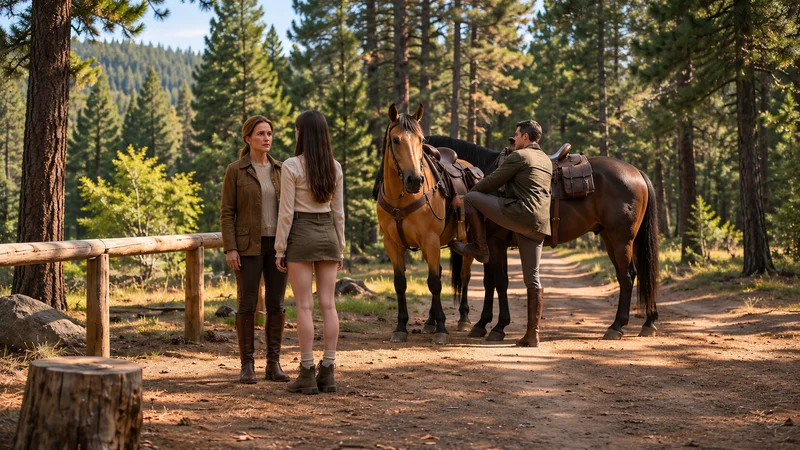
Cole is introduced through an unflattering fact: he has tormented Hayley. The official summary suggests their relationship changes, but it does not explain his earlier motives or document a complete transformation. It would be premature to call him redeemed, secretly protective, or misunderstood. Those are possible storytelling directions, not verified outcomes.
A convincing character arc would require more than revealing that Cole has feelings. He would need to recognize the impact of his behavior and act differently when romance offers him no immediate reward. This is the key standard in a Riding with My Bully Stepbrother review: his appeal as a romantic lead depends less on rebellious charm than on whether he becomes someone Hayley can reasonably trust.
What Makes the Short Drama Hook Effective?
Forced Proximity With a Specific Emotional Cost
Many short romances use an unexpected engagement, a shared workplace, or a temporary living arrangement to keep two people together. Here, the family’s vacation supplies the same narrative pressure while adding an existing history of hurt. Every moment of connection could also reopen an old grievance. That makes the shift from hostility to attraction potentially more complicated than the trope’s familiar outline suggests.
Secrets That May Reframe Their Past
The prospect of reinterpreting the past is what gives the Riding with My Bully Stepbrother review a mystery dimension. The question is not simply whether the pair will admit their attraction. It is whether learning more will help them face the original harm or merely distract from it. The answer requires episode-level evidence that the public synopsis does not provide.
Where the Romance Needs to Earn Its Emotion
Bullying Cannot Become Harmless Just Because Feelings Change
The bully-to-lover trope is popular because it invites a dramatic reversal: someone once associated with pain becomes a possible source of affection. But the reversal is only satisfying if it has consequences. A romantic gesture cannot retroactively make harassment harmless, and an explanation for cruel behavior is not the same as an excuse. The writing has to distinguish genuine growth from temporary kindness.
The Step-Sibling Connection Adds Another Boundary
The characters become step-siblings through their parents’ marriage, not through a stated biological relationship. Their family status nevertheless shapes how the attraction will be understood by the characters and viewers. Some audiences enjoy taboo or forbidden-romance fiction as heightened drama. Others may find the setup uncomfortable regardless of how carefully it is handled. Both responses are reasonable.
A thoughtful Riding with My Bully Stepbrother review should not assume the forbidden element makes the couple inherently more romantic. Its dramatic purpose is to complicate decisions and increase potential consequences. The story’s value depends on how clearly it presents those consequences, not simply on how provocative its premise sounds.
Who Is This Series Best Suited For?
Based on the official description, the most likely audience is viewers who enjoy emotionally turbulent romance, enemies-to-lovers dynamics, family complications, and secrets that gradually change how relationships are understood. Fans of short dramas may also appreciate a premise that identifies its central conflict immediately instead of spending several episodes establishing a complicated world.
- Consider it if: You like forced proximity, conflicted attraction, and romances that ask whether someone can genuinely change.
- Approach cautiously if: Depictions of bullying or step-family romance undermine your enjoyment, even when presented as fiction.
- Look elsewhere if: You prefer low-conflict relationships, clearly supportive romantic leads, or a story without taboo themes.
This Riding with My Bully Stepbrother review does not assign a numerical score. A score for acting, pacing, visual direction, or the ending would imply firsthand viewing evidence that is not available here. The recommendation concerns the premise and the viewing preferences it is most likely to suit.
Episodes, Release Date, and Where to Watch
Vigloo identifies the series as a romance and teen drama and lists September 9, 2026, as its release date. Independent drama catalogs consistently list 40 episodes. Those listings support the series length, although they do not establish the running time of every episode or whether every regional edition has identical access conditions.
Vigloo is the identified original platform for this title. Its public website advertises a free first episode for its titles, with further viewing subject to the service’s current access rules. Check the official Vigloo listing in your region for language options and the latest availability. A third-party episode index should not be treated as proof of authorized free access.
For readers using a Riding with My Bully Stepbrother review to decide whether to start, the practical choice is to sample the opening episode and pay attention to how Hayley’s discomfort is framed. That early perspective will help reveal whether the tone matches what you want from a romance built around a difficult past.
Frequently Asked Questions
Is the series about biological siblings?
No. The official premise describes Hayley and Cole as step-siblings after Hayley’s mother remarries. It does not identify them as biologically related. Their new family relationship is still central to the story’s forbidden-romance tension, and viewers may have different comfort levels with that subject. The drama’s premise should be considered before choosing to watch.
How many episodes does the drama have?
Multiple current drama catalogs list 40 episodes for Riding with My Bully Stepbrother. That figure is consistent across the sources consulted, although the promotional summary on Vigloo’s homepage does not itself provide a detailed episode guide. Episode availability, language options, and access requirements can vary by region or change over time, so the current official listing remains the best place to check.
Does Cole apologize to Hayley or change his behavior?
The publicly available official summary confirms that Cole bullied Hayley and that their relationship develops into unexpected attraction. It does not establish whether he apologizes, what he does to repair the damage, or how Hayley responds to a specific attempt at reconciliation. Any definite claim about his redemption would require checking the relevant episodes rather than relying on the premise alone.
Does Riding with My Bully Stepbrother have a happy ending?
The ending cannot be confirmed from the official synopsis used for this assessment. It mentions old wounds, attraction, and secrets but does not reveal the final relationship outcome. Readers who want a spoiler-free introduction can start with the premise; those looking for a definitive ending explanation should use a verified account of the finale rather than an assumption based on the romance genre.
Final Thoughts
The appeal of this story lies in a difficult question rather than a guaranteed romantic payoff: can someone who caused genuine hurt become worthy of trust? Hayley’s changed family circumstances and the shared vacation give that question a focused setting, while the suggested secrets create room for uncertainty. A romance this contentious needs credible boundaries and character growth to become satisfying.
My final assessment in this Riding with My Bully Stepbrother review is that the premise is promising for viewers who enjoy intense, uncomfortable relationship drama, but its execution remains unverified here. Consider the opening episode for its tone and its treatment of Hayley before deciding whether to follow the couple through the full series.