
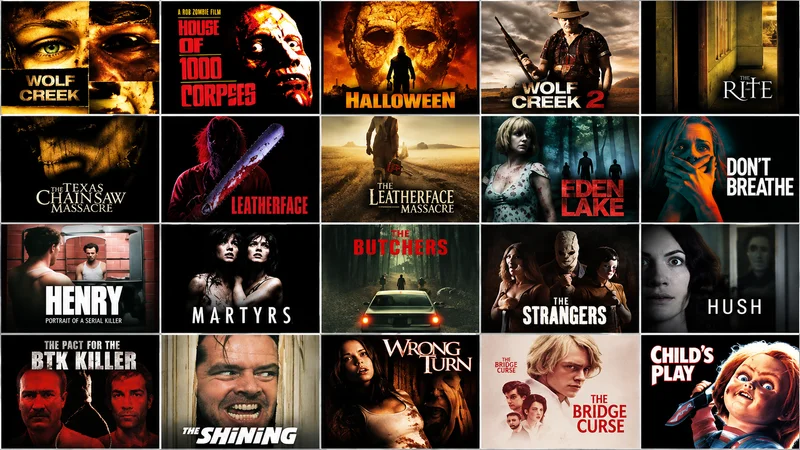
The best old horror movies remind us that cinema learned to frighten audiences long before modern digital effects. In silent films, painted shadows turned ordinary rooms into nightmares; later, sound introduced unforgettable monster voices and unnerving silence. By the 1970s, filmmakers had brought terror into suburban homes, isolated farmhouses, public beaches, and even deep space. This Top 35 follows that history from 1920 through 1979.
For readers browsing classic film recommendations at NetShort, this guide combines familiar American monsters with British ghost stories, European expressionism, independent zombie films, and visually experimental horror. You do not need to enjoy every style to appreciate the range. Some selections are relatively gentle by contemporary standards, while others include intense violence, sexual material, or difficult family themes.
Use this list of the best old horror movies to choose by mood, from Gothic atmosphere and black-and-white mysteries to supernatural dread and graphic 1970s survival horror. Each film has quick viewing cues and two spoiler-conscious paragraphs about its premise and appeal. The numbered order is a historical viewing route, not a claim that age or popularity determines quality. Specific years distinguish originals from later remakes.
What Makes Classic Horror Worth Watching Today?
- Silent-era imagination: Distorted sets, elaborate makeup, shadows, and expressive performances
- Gothic foundations: Vampires, reanimated bodies, mummies, haunted houses, and curses
- Psychological suspense: Isolation, unreliable perceptions, obsession, and moral uncertainty
- Practical craftsmanship: Miniatures, lighting effects, costumes, and creature designs
- Genre evolution: From theatrical monsters to folk horror, slashers, and science-fiction nightmares
The best old horror movies are not always fast or graphic. Some build pressure through a single hallway, a strange sound, or an unanswered question. Others are energetic genre landmarks that helped establish ideas later filmmakers reworked. The selections prioritize historical influence, memorable craft, and variety rather than pretending that a silent classic and a violent 1970s film deliver the same kind of fear.
Silent Nightmares and Universal Monsters, 1920 to 1935
The best old horror movies begin with images that remain recognizable more than a century later. These seven early landmarks helped establish the look of cinematic madness, vampires, and sympathetic monsters, while showing how sound transformed Gothic storytelling.
1. The Cabinet of Dr. Caligari (1920)
- Style: German expressionist silent horror
- Mood: Distorted, mysterious, and theatrical
- Best for: Viewers interested in film history
Robert Wiene follows Francis as he recounts unsettling encounters with a traveling showman, Dr. Caligari, and a sleepwalker named Cesare. The plot involves predictions, disappearances, and uncertainty about who controls whom. Painted streets and crooked buildings make the fictional town look unstable even when no character is moving. The setting itself becomes part of the psychological threat.
This is a foundational example of visual design serving horror. Its exaggerated makeup and angular scenery may feel unusual to viewers raised on realistic films, but the atmosphere remains remarkably expressive. Watch it for the relationship between image, perception, and suspense rather than contemporary jump scares.
2. Nosferatu (1922)
- Style: German silent vampire horror
- Mood: Plague-ridden, eerie, and somber
- Best for: Fans of atmospheric vampire mythology
F. W. Murnau tells a vampire story through the terrifying figure of Count Orlok, who becomes interested in a property transaction and travels toward a German town. Thomas Hutter encounters the count in his isolated castle while Ellen faces growing anxiety at home. Max Schreck gives Orlok an unforgettable silhouette, with long fingers, unnatural posture, and a face that seems almost inhuman.
The film was an unauthorized adaptation of Dracula, but its imagery developed a life of its own. Shadows creeping across a wall make the monster feel present even without elaborate action. The original 1922 film is distinct from later remakes and reimaginings that share its name.
3. The Phantom of the Opera (1925)
- Style: Silent Gothic mystery
- Mood: Operatic, tragic, and visually grand
- Best for: Viewers drawn to elaborate monster makeup
Rupert Julian adapts Gaston Leroux into a story set around the Paris Opera House. The mysterious Phantom becomes obsessed with singer Christine Daaé, using hidden passages and intimidation to influence performances and relationships. Lon Chaney stars as the disfigured figure whose presence threatens the theater from below, and the performance mixes anguish with controlling behavior.
Its celebrated makeup and theatrical architecture helped show Hollywood that horror could carry major visual spectacle. The Phantom is not a harmless romantic hero; the tension comes from his possessiveness and the people caught in his demands. Choose the 1925 silent version when exploring the roots of Universal monster cinema.
4. Dracula (1931)
- Style: Universal vampire Gothic
- Mood: Elegant, restrained, and ominous
- Best for: Fans of classic movie monsters
Tod Browning brings Bram Stoker’s vampire to sound cinema with Bela Lugosi as Count Dracula. The count leaves Transylvania for England, where his influence threatens those around the young Mina. Professor Van Helsing begins to suspect the supernatural explanation behind the strange events. The film relies on deliberate dialogue, formal interiors, and Lugosi’s distinctive composure to establish its frightening antagonist.
Its pacing is different from later vampire films, but the performance became a visual and vocal template for decades of popular culture. Watch for the unnerving stillness and the contrast between the count’s manners and his predatory intentions.
5. Frankenstein (1931)
- Style: Universal science-fiction Gothic
- Mood: Tragic, tense, and compassionate
- Best for: Viewers interested in misunderstood monsters
James Whale follows ambitious scientist Henry Frankenstein as he assembles a living being from human remains and uses an electrical experiment to animate it. Boris Karloff plays the creature with a remarkable combination of physical power, confusion, and vulnerability. The scientist’s triumph soon gives way to fear as the people surrounding his creation struggle to accept or control what he has made.
The film is often remembered for laboratory imagery, but its emotional force comes from the creature’s uncertain place in the world. It asks whether the frightening result is a monster by nature or a being damaged by rejection and irresponsibility. Its influence extends well beyond horror.
6. The Mummy (1932)
- Style: Ancient-curse supernatural horror
- Mood: Hypnotic, mournful, and exoticized
- Best for: Fans of slow Gothic mysteries
Karl Freund directs Boris Karloff as Imhotep, an ancient Egyptian priest returned to life after an archaeological discovery. His fascination with a modern woman whom he connects to his distant past places others in danger. The film builds its atmosphere through ritual objects, ominous conversations, and the sense of a longing that has crossed centuries.
Rather than a relentless action creature, this mummy is an eerie figure driven by obsession. Modern viewers may notice stereotyped depictions of Egypt and the assumptions of colonial adventure stories. Its visual style and Karloff’s controlled performance make it worth approaching with that historical context.
7. Bride of Frankenstein (1935)
- Style: Gothic monster sequel
- Mood: Witty, poignant, and macabre
- Best for: Fans of tragic character-driven horror
James Whale revisits Henry Frankenstein and his creation, introducing Dr. Pretorius, who pressures the scientist to continue experiments with life. The creature searches for companionship while those around him repeatedly respond with fear or cruelty. Boris Karloff deepens the monster’s emotional character, and Elsa Lanchester provides the film’s iconic image of the proposed bride.
This sequel mixes dark humor and sorrow with startling production design. Its question is not simply whether another creature can be made, but whether manufacturing companionship can solve loneliness. Familiarity with the 1931 Frankenstein strengthens the experience, though the sequel has its own striking personality.
Shadowy Ghost Stories and Cold War Paranoia, 1942 to 1959
Among the best old horror movies, the period between the Universal monster boom and the 1960s slasher innovations produced quieter fears. These seven films make extraordinary use of lighting, unseen threats, psychological pressure, and the idea that a familiar neighbor might no longer be the person you know.
8. Cat People (1942)
- Style: Val Lewton psychological horror
- Mood: Suggestive, intimate, and anxious
- Best for: Viewers who prefer implied danger
Jacques Tourneur follows Serbian-born fashion illustrator Irena, who believes that intimacy could trigger an inherited curse and transform her into a deadly cat. Her marriage to Oliver is overshadowed by that fear, while jealousy and emotional isolation make the situation worse. Simone Simon gives Irena a vulnerable presence that prevents the premise from feeling like a simple creature gimmick.
The movie is famous for suggesting danger just outside the frame, particularly through lighting and sound. It also reflects dated assumptions about sexuality and foreignness that deserve awareness. Its restraint shows how a frightening idea can remain powerful without revealing every detail.
9. I Walked with a Zombie (1943)
- Style: Caribbean Gothic drama
- Mood: Dreamlike, mournful, and mysterious
- Best for: Fans of atmosphere over attacks
Also directed by Jacques Tourneur, this film follows nurse Betsy as she travels to a Caribbean island to care for Jessica, a woman who appears strangely unresponsive. Her work brings her into a troubled family and encounters with spiritual practices she does not understand. The plantation environment gives the story a constant sense of a history that remains unresolved.
The title suggests the modern flesh-eating zombie film, but its intentions are different. The story blends Gothic romance and questions about illness, faith, and colonial power. Its depiction of Caribbean religious life should be viewed critically rather than as a factual representation of those traditions.
10. The Uninvited (1944)
- Style: Haunted-house romantic mystery
- Mood: Gentle, eerie, and investigative
- Best for: Viewers who love coastal ghost stories
Lewis Allen follows siblings Rick and Pamela Fitzgerald as they buy an unexpectedly affordable house overlooking the Cornish coast. Strange sounds, cold rooms, and local stories make them suspect that the property is haunted. Their growing involvement with Stella, a young woman tied to its history, turns the haunting into a mystery about family secrets and loss.
The Uninvited helped establish the screen tradition of an atmospheric ghost story in which investigators patiently reconstruct the past. Its elegance and emotional mystery make it approachable for viewers who do not want relentless violence. The seaside location is as memorable as the supernatural incidents.
11. Dead of Night (1945)
- Style: British supernatural anthology
- Mood: Uncanny, varied, and increasingly disquieting
- Best for: Fans of linked short horror stories
At a country house, architect Walter Craig recognizes strangers and situations from a recurring dream. The guests share their own unusual experiences, leading to several stories about prediction, haunted objects, and a sinister ventriloquist dummy. Multiple directors contributed to the anthology, giving the individual episodes different tones while the framing story builds a shared sense of unreality.
The power of Dead of Night comes from the way an apparently civilized gathering becomes an argument about the supernatural. Some segments are playful and others deeply unsettling. Its anthology structure helped provide a model for later horror films and television series.
12. The Thing from Another World (1951)
- Style: Arctic science-fiction creature thriller
- Mood: Fast-talking, isolated, and anxious
- Best for: Fans of science versus survival conflict
Christian Nyby’s film takes military personnel and scientists to a remote Arctic research station after the discovery of a strange aircraft and its occupant. Once the visitors realize that the extraterrestrial being poses a serious threat, debate grows over whether to study it or destroy it. The tension draws on Cold War uncertainty as much as on the creature itself.
This is not John Carpenter’s 1982 The Thing, which offers a much more graphic and paranoid adaptation of related source material. The 1951 film favors ensemble exchanges and the pressure of an isolated outpost. It is an early example of horror meeting science fiction.
13. Invasion of the Body Snatchers (1956)
- Style: Alien-infiltration paranoia
- Mood: Suburban, urgent, and distrustful
- Best for: Viewers who enjoy conspiracy nightmares
Don Siegel follows physician Miles Bennell after people in his California community begin claiming that friends and relatives have been replaced by beings who look identical but lack familiar emotion. His attempts to uncover the truth make normal social encounters increasingly uncertain. Kevin McCarthy anchors a story where recognizing an enemy is almost impossible.
The film can be read through anxieties about conformity and political suspicion, though no single interpretation exhausts it. Its everyday settings make the extraordinary premise feel close to home. The 1978 film included later in this list is a separate adaptation, not a re-release of the same production.
14. House on Haunted Hill (1959)
- Style: Gimmick-era haunted-house mystery
- Mood: Playful, theatrical, and sinister
- Best for: Fans of Vincent Price and spooky fun
William Castle casts Vincent Price as millionaire Frederick Loren, who offers guests money if they can remain overnight in an allegedly haunted mansion. The strained relationship between Loren and his wife, combined with suspicious events in the house, leaves everyone questioning whether the danger is supernatural or deliberately staged. The setup encourages both nervous laughter and real suspicion.
The film is a snapshot of exhibition-era showmanship, when theaters used promotional gimmicks to intensify scares. It remains an enjoyable introduction to haunted-house entertainment.
Psychological Terror and the Horror Revolution of the 1960s
The best old horror movies became more intimate and confrontational in the 1960s. Filmmakers questioned the reliability of images, exposed hidden violence, and made everyday people more frightening than traditional Gothic monsters. These seven titles mark major changes in what audiences expected from horror.
15. Psycho (1960)
- Style: Psychological motel thriller
- Mood: Controlled, shocking, and suspenseful
- Best for: Viewers interested in suspense history
Alfred Hitchcock follows Marion Crane after she takes money and leaves town, eventually stopping at a remote motel run by Norman Bates. The quiet property and Norman’s unsettling relationship with his mother suggest that her troubles may be far from over. Janet Leigh and Anthony Perkins bring sharply contrasting energies to a story that changes direction in startling ways.
Psycho transformed expectations about audience sympathy, plot structure, and screen violence. Hitchcock creates terror through editing, music, and suggestion as much as direct imagery. Its famous twists have become cultural knowledge, but avoiding detailed summaries can preserve some of their impact.
16. Peeping Tom (1960)
- Style: Voyeuristic psychological slasher
- Mood: Uncomfortable, intimate, and disturbing
- Best for: Adults willing to question the act of watching
Michael Powell follows Mark Lewis, a camera operator whose obsession with recording fear drives him to murder. His social awkwardness and attempts at connection contrast with the disturbing purpose behind his filming equipment. Carl Boehm presents Mark as a person whose fixation turns the camera itself into part of the threat.
Peeping Tom was controversial on release, but its interrogation of spectatorship became central to later critical appreciation. It asks how seeing, recording, and possessing images can cross into violence. Sexual and murderous themes make it less suitable as a gentle introduction to older cinema.
17. The Innocents (1961)
- Style: Gothic governess ghost mystery
- Mood: Elegant, ambiguous, and oppressive
- Best for: Fans of slow, literary supernatural horror
Jack Clayton adapts Henry James’s The Turn of the Screw into the story of Miss Giddens, a governess caring for two children at an isolated country estate. She begins to believe that malevolent figures from the household’s past threaten her charges. Deborah Kerr gives the role emotional intensity, leaving the viewer uncertain how much of the danger is visible beyond her perceptions.
Its deep-focus black-and-white images and uncanny sound design make empty rooms feel populated by unseen histories. The film rewards patience and close attention to behavior rather than a need for definitive explanations. It remains one of the strongest bridges between Gothic literature and psychological horror.
18. Carnival of Souls (1962)
- Style: Independent surreal ghost horror
- Mood: Lonely, hypnotic, and dreamlike
- Best for: Viewers seeking unusual low-budget cinema
Herk Harvey follows Mary, a church organist who survives a car accident and moves to a new city. She begins seeing an ominous stranger and feels drawn to an abandoned lakeside pavilion. Candace Hilligoss portrays a woman whose distance from ordinary social life becomes increasingly frightening as the world around her appears to shift.
The film creates atmosphere through inexpensive locations, organ music, and an unsettling rhythm that later independent filmmakers admired. Its emotional core is isolation rather than violence. Viewers who enjoy slow, uncanny mysteries may find its simplicity more affecting than a crowded special-effects spectacle.
19. The Birds (1963)
- Style: Animal-attack suspense
- Mood: Ordinary, escalating, and uncanny
- Best for: Fans of environmental and community dread
Alfred Hitchcock follows Melanie Daniels to the California town of Bodega Bay, where unexplained bird attacks begin disrupting everyday life. Melanie, Mitch Brenner, and his family try to understand the threat while a familiar coastal environment grows increasingly hostile. The danger arrives without a conventional monster origin story or a reassuring scientific answer.
The film is especially effective because birds are so common that their behavior can change the meaning of any outdoor space. Its controlled suspense, unusual soundscape, and refusal to explain everything make it an enduring example of fear built from the everyday.
20. The Haunting (1963)
- Style: Psychological haunted-house ensemble
- Mood: Quiet, claustrophobic, and suggestive
- Best for: Viewers who enjoy unseen supernatural threats
Robert Wise brings a small group to the imposing Hill House to investigate claims of paranormal activity. Eleanor Vance, emotionally vulnerable and longing for a sense of belonging, becomes particularly affected by the building. Julie Harris gives Eleanor an interior life that makes events difficult to separate from the way she experiences them.
The Haunting is famous for its use of sound, off-screen space, and strange architectural angles. It often makes a closed door more frightening than a visible ghost. This entry refers to the 1963 original, not the unrelated 1999 remake using the same title.
21. Night of the Living Dead (1968)
- Style: Independent zombie survival horror
- Mood: Claustrophobic, bleak, and socially charged
- Best for: Viewers tracing the origins of modern zombies
George A. Romero traps survivors in a Pennsylvania farmhouse as reanimated corpses attack the living. Ben tries to organize a defense, but disagreements among the people inside make cooperation difficult. Duane Jones gives the central survivor intelligence and urgency in a production made outside the major Hollywood studio system.
The film redefined cinematic zombies and used a limited location to expose distrust under pressure. Its black-and-white photography does not make the violence harmless, and the social questions raised by its casting and ending remain important. It stands at a turning point between old monster traditions and modern survival horror.
The visual techniques developed in these films continued shaping later slashers, haunted-house mysteries, and independent productions. Readers interested in the next chapter can explore our best 80s horror movies guide, which covers the practical-effects boom and franchise villains that followed this earlier history.
Occult Belief and Everyday Danger, 1968 to 1976
The best old horror movies of the early and middle 1970s brought fear into families, communities, and ordinary public spaces. These seven films are often harsher than their predecessors, and many use familiar institutions or relationships to intensify the threat.
22. Rosemary’s Baby (1968)
- Style: Apartment-set occult psychological horror
- Mood: Paranoid, intimate, and suffocating
- Best for: Fans of slow-building distrust
Roman Polanski follows Rosemary Woodhouse after she and her husband move into a New York apartment building and befriend an unusually attentive older couple. During her pregnancy, Rosemary grows worried that the people around her are controlling decisions about her health and future. Mia Farrow makes the central character’s increasing isolation painfully believable.
The film makes politeness, medical authority, and marital expectations sources of tension. Its supernatural suggestions are frightening because Rosemary has so little control over who will believe her. The subject matter includes reproductive coercion and sexual violation, making it more distressing than a conventional ghost story.
23. The Exorcist (1973)
- Style: Religious possession drama
- Mood: Serious, confrontational, and disturbing
- Best for: Adults seeking influential supernatural horror
William Friedkin follows actress Chris MacNeil as her daughter Regan begins displaying alarming changes that ordinary explanations cannot resolve. The family turns to religious intervention, bringing Father Karras and Father Merrin into a confrontation framed by faith, doubt, and personal suffering. Ellen Burstyn and Linda Blair give the extraordinary scenario an urgent human center.
The Exorcist was a major cultural event partly because it presented possession through realistic family anxiety and graphic physical effects. Its medical and religious imagery can be upsetting, particularly for viewers sensitive to harm involving children. Its intensity is not only about startling moments but about parental helplessness.
24. The Wicker Man (1973)
- Style: British folk-horror mystery
- Mood: Pastoral, strange, and increasingly tense
- Best for: Viewers fascinated by ritual and belief
Robin Hardy sends Sergeant Neil Howie to the Scottish island of Summerisle to investigate a report of a missing girl. The islanders appear untroubled, but their religious practices and evasive answers clash with his convictions. Edward Woodward portrays the deeply serious policeman opposite Christopher Lee’s charming but unsettling Lord Summerisle.
The film makes songs, community traditions, and a beautiful rural landscape feel gradually ominous. Its tension rests on conflicting worldviews and Howie’s uncertain position as an outsider. Choose the 1973 original rather than the substantially different 2006 remake.
25. The Texas Chain Saw Massacre (1974)
- Style: Rural survival slasher
- Mood: Raw, relentless, and disorienting
- Best for: Adults comfortable with severe threat
Tobe Hooper follows young travelers through rural Texas after an encounter near an isolated property becomes a nightmare involving a violent family. Sally Hardesty faces an increasingly desperate struggle to escape. The oppressive summer atmosphere, industrial noises, and documentary-like roughness make the environment feel dangerously unpredictable.
Despite its reputation, the film often produces terror through suggestion, frantic movement, and sound rather than constant explicit gore. It helped reshape American horror around vulnerable bodies and frightening ordinary places. The story is fictional, despite marketing that encouraged audiences to imagine otherwise.
26. Black Christmas (1974)
- Style: Canadian sorority-house slasher
- Mood: Suspicious, invasive, and bleak
- Best for: Fans of early stalker mysteries
Bob Clark places sorority sisters in a house as college empties for Christmas break. Disturbing telephone calls and the disappearance of a young woman suggest that someone may be inside the property. Olivia Hussey and Margot Kidder anchor the ensemble, while the seasonal setting makes isolation and reduced adult support plausible.
Black Christmas is a crucial pre-Halloween example of suspense built around an unidentified intruder. Its concern with privacy and the refusal to take women’s fears seriously gives the threat particular force. This is the 1974 original, not either of the later remakes.
27. Jaws (1975)
- Style: Shark-attack adventure horror
- Mood: Suspenseful, character-driven, and aquatic
- Best for: Viewers seeking a gateway into classic thrills
Steven Spielberg follows police chief Martin Brody as a series of shark attacks threatens the coastal community of Amity. Political pressure to protect tourism complicates his response, while marine biologist Matt Hooper and shark hunter Quint bring different expertise to the danger. Roy Scheider, Richard Dreyfuss, and Robert Shaw create a memorable trio.
Jaws proves that withholding a clear view of a threat can heighten suspense. Its combination of community politics and tightly managed action made it a major blockbuster landmark. Although it crosses into adventure, the shark’s unseen presence makes ordinary swimming feel frightening.
28. Carrie (1976)
- Style: Supernatural coming-of-age tragedy
- Mood: Angry, sorrowful, and intense
- Best for: Viewers interested in bullying and repression
Brian De Palma adapts Stephen King’s novel about Carrie White, a teenager bullied at school and controlled at home by her fanatically religious mother. As Carrie discovers unusual powers, mounting humiliation turns adolescence into a dangerous emotional crisis. Sissy Spacek gives Carrie an affecting vulnerability, and Piper Laurie provides a terrifying parental presence.
The film blends high-school cruelty, sexual shame, and supernatural revenge without making its heroine simply a monster. Its visual flourishes and sound create dread from anticipation. Content involving bullying, abuse, and violence may make it upsetting even for viewers familiar with the famous premise.
The Late 1970s and the Birth of Modern Horror Icons
These best old horror movies show where classic horror was heading by the end of the decade: bizarre European nightmares, consumer satire, a new slasher template, and claustrophobic science fiction. Several paved the way for the 1980s without belonging to that decade themselves.
29. Suspiria (1977)
- Style: Italian supernatural art horror
- Mood: Vivid, disorienting, and violent
- Best for: Fans of color, music, and dream logic
Dario Argento follows American ballet student Suzy Bannion as she arrives at a prestigious dance academy in Germany. After disturbing incidents and disappearances, she begins questioning what lies behind the school’s disciplined surface. Jessica Harper anchors a story where the elaborate building seems to contain dangerous secrets.
Suspiria is celebrated for saturated color, unusual camera movement, and the relentless score by Goblin. The visual and sonic experience can matter more than a literal explanation of every event. This is the Italian 1977 film, not the separate 2018 reimagining.
30. Eraserhead (1977)
- Style: Experimental industrial body horror
- Mood: Surreal, uncomfortable, and hypnotic
- Best for: Adventurous viewers who enjoy ambiguity
David Lynch follows Henry Spencer through a bleak industrial landscape as relationships and unexpected parenthood unsettle his already fragile sense of reality. Jack Nance portrays Henry with nervous passivity, while unsettling noises and strange physical images give the everyday world a nightmarish quality. The film often seems to follow emotional logic more than ordinary narrative rules.
Eraserhead is not a conventional creature film. Its distorted domestic situations and oppressive soundscape create a personal kind of horror about responsibility and alienation. It is a strong choice for viewers willing to interpret rather than solve every scene.
31. Dawn of the Dead (1978)
- Style: Zombie siege and social satire
- Mood: Graphic, energetic, and cynical
- Best for: Fans of survival stories with commentary
George A. Romero follows survivors of a spreading zombie catastrophe who take refuge in a shopping mall. The apparent abundance of supplies creates a temporary sense of safety, but other people and the undead keep the sanctuary unstable. The location makes consumer habits part of the story rather than background decoration.
Dawn of the Dead expands the social and practical concerns introduced in Night of the Living Dead while embracing more elaborate gore and action. Its satire remains recognizable, but its graphic effects and long survival narrative mark a major step toward the genre’s more extreme future.
32. Halloween (1978)
- Style: Suburban masked-killer slasher
- Mood: Patient, cold, and suspenseful
- Best for: Viewers seeking the roots of modern slashers
John Carpenter follows teenager Laurie Strode as masked killer Michael Myers returns to the town of Haddonfield on Halloween night. Ordinary suburban streets become threatening because the attacker can appear almost anywhere. Jamie Lee Curtis gives Laurie an observant, increasingly desperate presence, while Donald Pleasence plays the doctor trying to anticipate the danger.
The simple premise, memorable music, and carefully timed glimpses of the killer established a template for many later slashers. It is not the first slasher, and the original 1978 film should not be confused with later sequels, remakes, or the film titled Halloween from 2018.
33. Invasion of the Body Snatchers (1978)
- Style: Urban alien paranoia remake
- Mood: Bleak, increasingly frantic, and distrustful
- Best for: Fans comparing two versions of one premise
Philip Kaufman revisits the idea of people secretly being replaced by seemingly identical beings, moving the story to San Francisco. Donald Sutherland and Brooke Adams lead characters who notice strange behavior around them but struggle to prove what is happening. The dense city produces a different form of isolation from the original film’s small town.
This version uses abrasive sound and unsettling transformation imagery to make every acquaintance potentially suspect. Watching the 1956 and 1978 films together reveals how the same concept can reflect different social anxieties and filmmaking techniques. Their shared title does not make them duplicate entries.
34. Alien (1979)
- Style: Space-set science-fiction survival horror
- Mood: Claustrophobic, patient, and lethal
- Best for: Viewers interested in creature design and suspense
Ridley Scott follows the crew of the commercial spacecraft Nostromo after they investigate a mysterious signal and encounter an organism unlike anything they understand. Sigourney Weaver’s Ripley becomes an increasingly important voice as containment fails and the crew struggles to respond. The industrial ship design makes their environment feel cramped and vulnerable.
Alien connects Gothic haunted-house pacing with a science-fiction setting, replacing corridors in an old mansion with metallic passages. H. R. Giger’s creature design and the film’s gradual reveals make the threat memorable. It is the 1979 original, not the action-oriented sequel Aliens (1986).
35. Phantasm (1979)
- Style: Surreal mausoleum supernatural horror
- Mood: Odd, unsettling, and inventive
- Best for: Fans of cult dreamlike horror
Don Coscarelli follows young Mike as he becomes suspicious of strange events at a funeral home. His investigation draws attention to a tall, mysterious mortician and discoveries that do not obey ordinary explanations. A. Michael Baldwin plays Mike, with Angus Scrimm making the enigmatic Tall Man a lasting cult figure.
Phantasm blends teenage adventure, grief, science fiction, and nightmare imagery without fitting neatly into one category. Its flying metallic spheres and uncanny funeral-home atmosphere distinguish it from mainstream 1970s slashers. Choose it for imaginative strangeness rather than a completely logical mystery.
Which Old Horror Classics Should You Watch First?
For newcomers to the best old horror movies, begin with Dracula and Frankenstein for familiar monsters, or The Uninvited and The Haunting for quiet ghost stories. Psycho and Jaws are approachable if you prefer clearly structured suspense, though both include disturbing moments and benefit from minimal advance plot knowledge.
If you want a chronological introduction, choose one film from each era: The Cabinet of Dr. Caligari for silent expressionism, Bride of Frankenstein for studio-era Gothic drama, Cat People for suggestive suspense, Night of the Living Dead for independent social horror, and Alien for the late-1970s fusion of science fiction and survival. That route illustrates major changes without requiring 35 consecutive screenings.
For stronger scares, The Exorcist, The Texas Chain Saw Massacre, Carrie, Suspiria, and Dawn of the Dead are more graphic or distressing than most of the early titles. Some older films also contain dated depictions of nationality, race, gender, or religious practices. Historical influence does not mean every creative choice has aged gracefully, and viewers may benefit from context when considering those elements.
A themed double feature can be especially rewarding. Pair Cat People with The Haunting to compare indirect supernatural threats; watch the two Invasion of the Body Snatchers versions to see changing forms of paranoia; or place Black Christmas beside Halloween to explore the early slasher tradition. These comparisons highlight technique and ideas without treating newer effects as automatically superior.
Frequently Asked Questions
What counts as an old horror movie in this guide?
Here, old horror means feature films originally released from 1920 through 1979. This keeps the recommendations focused on silent cinema, studio-era monsters, mid-century ghost stories, and the major horror changes of the 1970s. Some people use the phrase for any film before 2000, but separating the decades makes it easier to explore their distinctive styles.
Which classic horror movies are easiest for beginners?
Dracula, Frankenstein, The Uninvited, and House on Haunted Hill offer different kinds of relatively accessible early horror. For viewers comfortable with stronger tension, Psycho, Jaws, and Halloween provide familiar suspense structures. None is automatically appropriate for children, and some older titles contain imagery or themes that can still be upsetting.
Are silent horror films still frightening today?
They can be, especially when viewers appreciate expressive images and slower pacing. The Cabinet of Dr. Caligari uses distorted painted scenery to suggest unstable reality, while Nosferatu makes shadows and body movement unsettling. The Phantom of the Opera emphasizes elaborate makeup and spectacle. Their rhythm differs from modern jump-scare films, which is part of their value.
What is the difference between classic Gothic horror and 1970s horror?
Gothic films such as Dracula and Bride of Frankenstein often use castles, laboratories, and legendary monsters. Many 1970s films place danger in ordinary houses, communities, schools, and commercial spaces. The Exorcist, Carrie, Halloween, and Dawn of the Dead also use more confrontational subject matter and effects, although both eras contain varied approaches rather than rigid formulas.
Why does the list include two Invasion of the Body Snatchers films?
They are separate adaptations released in 1956 and 1978. Don Siegel sets the earlier story within a small California community, while Philip Kaufman moves the premise to San Francisco and uses a more aggressive atmosphere and unsettling effects. Comparing them is useful because the same fear of replacement changes meaning across different social and cinematic contexts.
Final Thoughts
The best old horror movies reveal how much of modern fear originated in unexpected places: expressionist painted streets, a windswept house, a roadside motel, and an ordinary shopping mall. Their greatest achievement is not simply that they introduced recognizable monsters. It is that each generation found new ways to make audiences question a setting, a relationship, or their own perceptions.
For Gothic atmosphere, begin with Nosferatu or The Uninvited. For mystery and psychological suspense, choose Psycho or The Innocents. For the harsher direction horror took in the 1970s, try The Texas Chain Saw Massacre, Halloween, or Alien. Whether you prefer shadows or practical effects, these 35 films provide a varied foundation for exploring the genre beyond any single decade.